More Montana homeowners are choosing to age in place rather than move to assisted living. Smart flooring choices now can make your home safer and more comfortable for decades to come.
Why Flooring Matters for Aging in Place
Falls are the leading cause of injury for adults over 65. Your flooring directly impacts:
- Slip resistance: Preventing dangerous falls
- Comfort: Reducing joint fatigue and pain
- Mobility: Smooth transitions for walkers and wheelchairs
- Maintenance: Easy cleaning as physical abilities change
- Visibility: Color contrast for depth perception challenges
Best Flooring for Safety
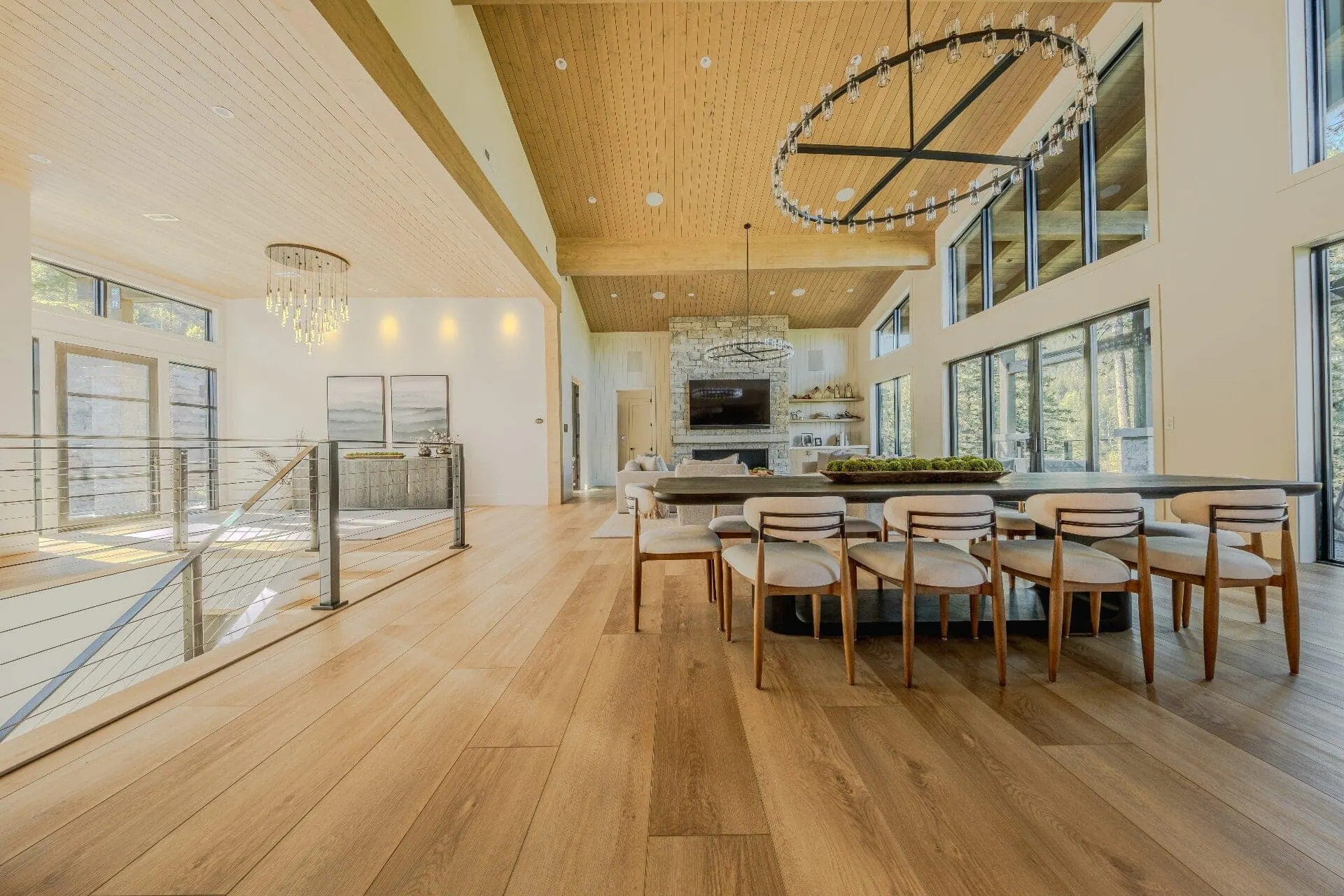
Luxury Vinyl Plank
Our #1 Recommendation
- Textured surfaces provide excellent grip
- Slightly cushioned underfoot—reduces impact from falls
- Waterproof—easy cleanup of spills
- No grout lines to catch walker wheels
- Can be installed over existing floors
Cork Flooring
Natural Cushioning
- Naturally shock-absorbing—best for joints
- Warm and comfortable underfoot
- Provides slight "give" that aids balance
- Antimicrobial properties
- Quiet—reduces noise from mobility aids
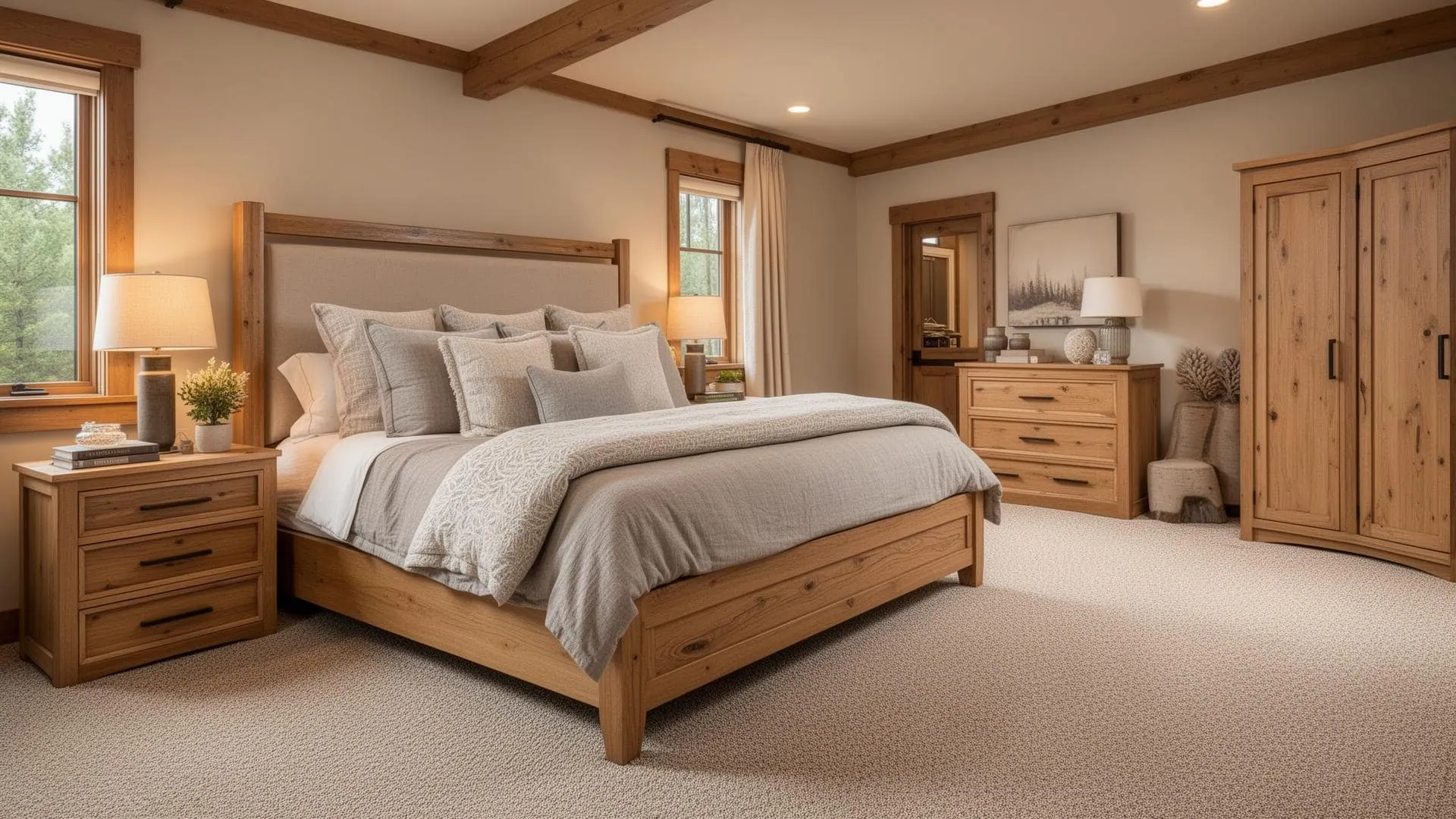
Low-Profile Carpet
Best for Bedrooms
- Short, dense pile (avoid plush or shag)
- Provides cushioning for fall impact
- Warmer than hard surfaces
- Choose commercial-grade for wheelchair compatibility
- Avoid loop styles that catch walker tips
Rubber Flooring
Maximum Safety
- Highest slip resistance of any material
- Excellent shock absorption
- Used in commercial and medical settings
- Available in attractive wood and stone looks
- Very easy to maintain
What to Avoid
- High-gloss surfaces: Extremely slippery when wet
- Thick carpet or shag: Trip hazard for walkers and wheelchairs
- Raised thresholds: Should be flush or ramped
- Loose rugs: The #1 tripping hazard in homes—secure with non-slip pads or remove
- Dark floors with dark furniture: Reduces depth perception
Critical Design Details
Transitions
- All thresholds should be flush (less than 1/4" height difference)
- Use ramped transitions where height changes are unavoidable
- Consider continuous flooring throughout to eliminate transitions entirely
Bathrooms
- Curbless shower entries (zero-threshold)
- Small mosaic tile or textured porcelain in showers
- Grab bars require backing in walls—plan during renovation
- Non-slip bath mats with suction cups
- Consider a seated shower area
Lighting
- Adequate lighting to see floor surfaces clearly
- Night lights along hallways
- Light-colored flooring reflects available light
- Motion-sensor lights in bathrooms
ADA-Friendly Flooring Considerations
If wheelchair accessibility is needed:
- Firm, stable surfaces: No thick carpet or uneven stone
- Matte finishes: Reduce glare for visual impairment
- Clear floor space: 60" turning radius in key areas
- Beveled edges: On any necessary transitions
- Low rolling resistance: LVP and hardwood are easiest
Montana-Specific Tips
- Radiant heat: Warm floors are safer—cold feet lead to instability
- Entryway materials: Non-slip tile or LVP to handle tracked-in moisture
- Basement access: Consider if basement stairs need modification
- Mudroom design: Bench seating for putting on/removing boots safely
Planning Ahead
The best time to plan for aging in place is before you need it. Making smart flooring choices during a renovation now saves costly modifications later.
Schedule a consultation to discuss accessible flooring options. Our team understands the balance between safety, style, and Montana living.