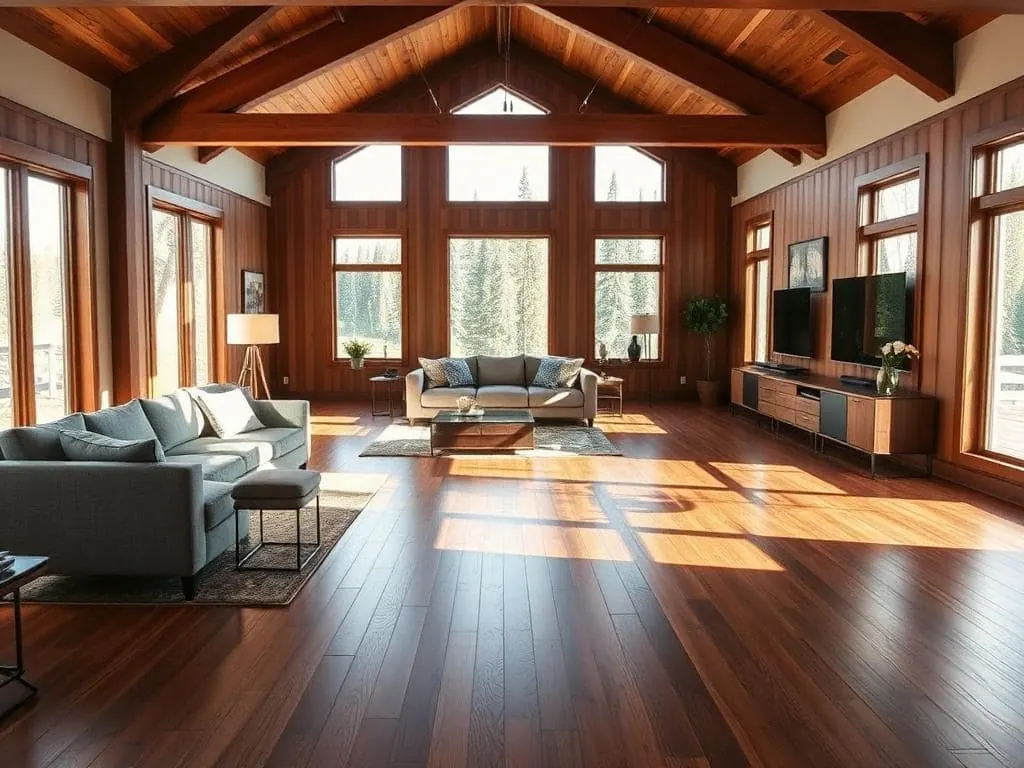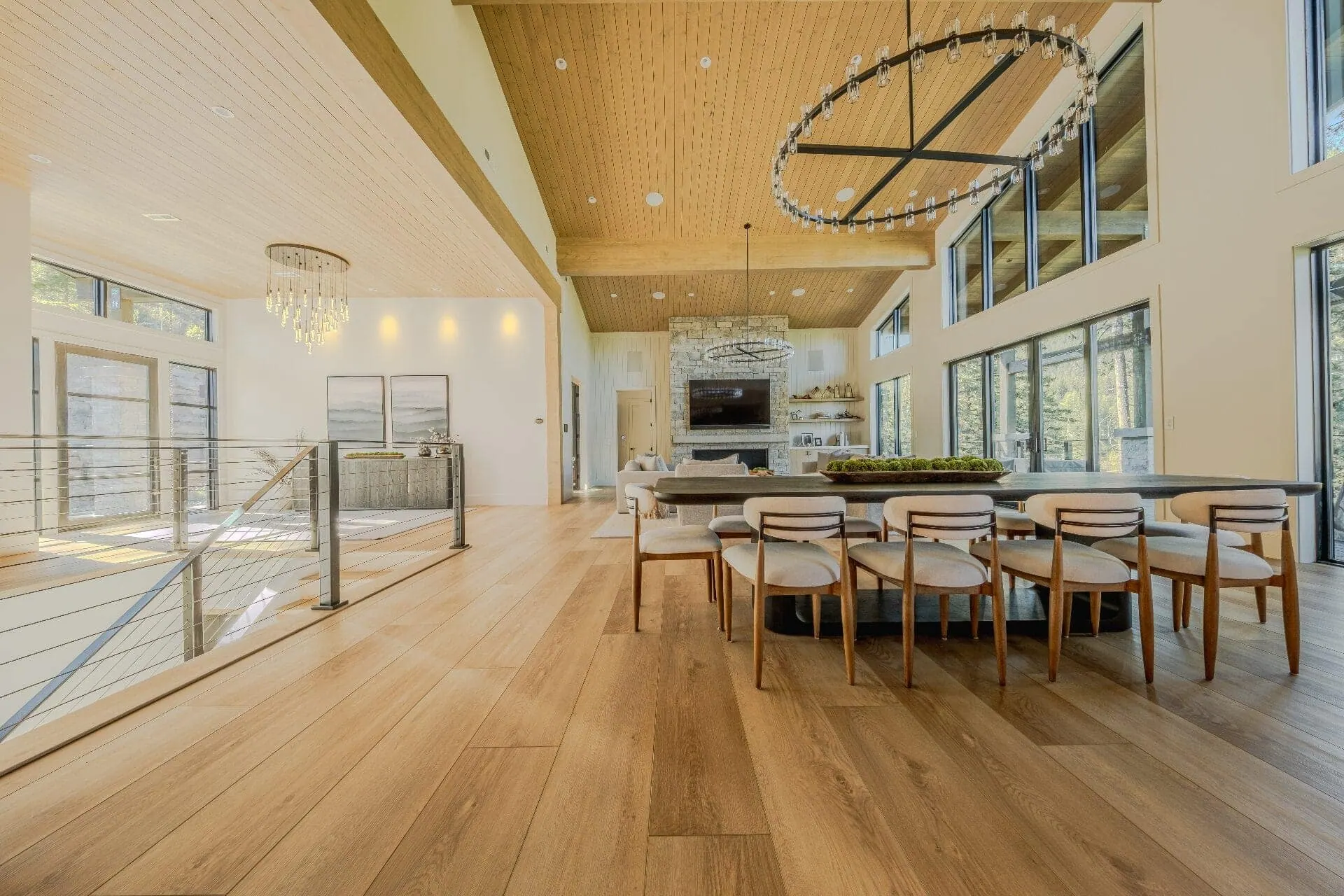
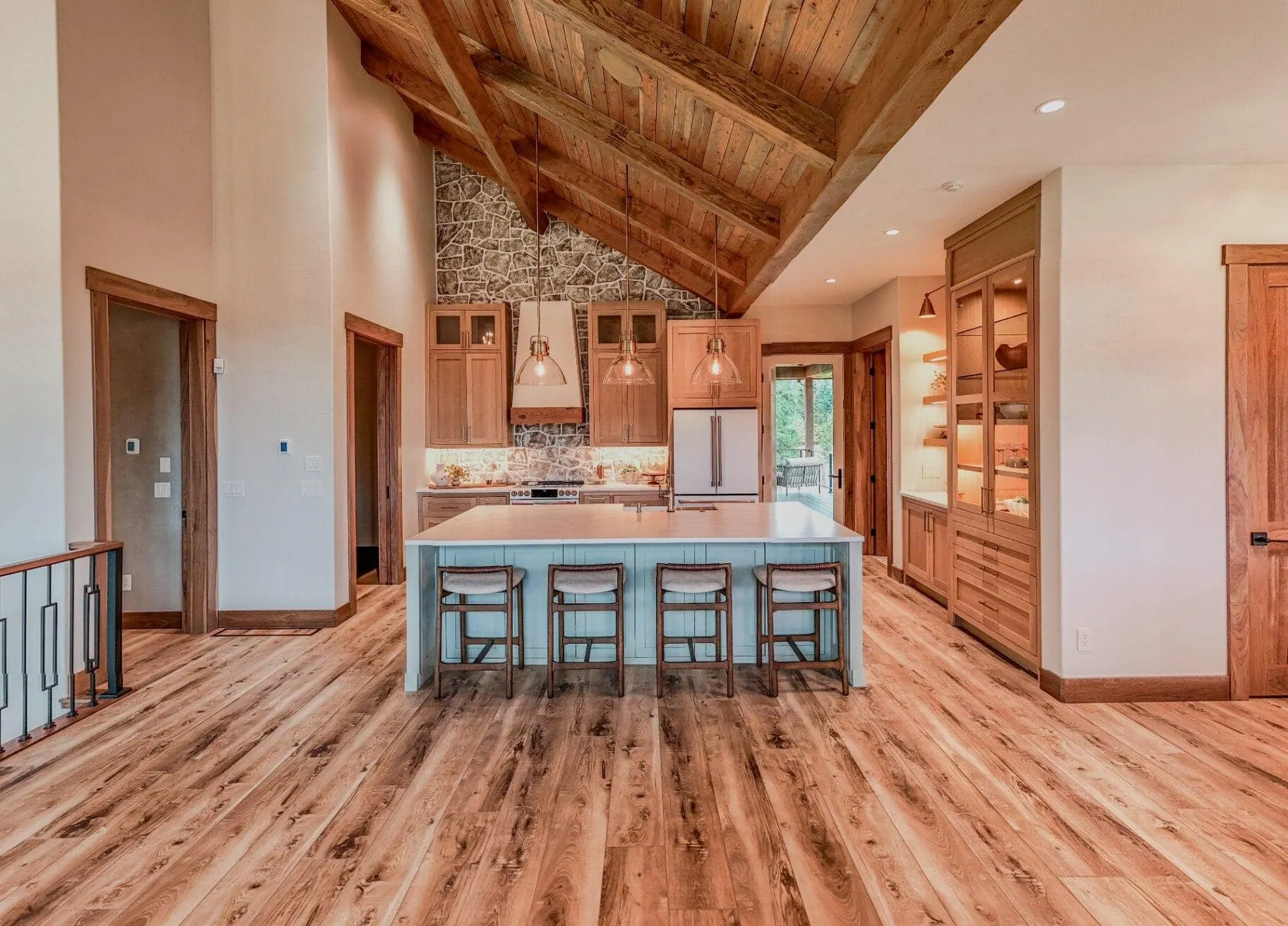
With Montana's cold winters, radiant floor heating is increasingly popular. Here's what homeowners need to know.
Why Radiant Heat?
Benefits of radiant floor heating:
- Even, comfortable warmth from the ground up
- Energy efficient – often 25% more efficient than forced air
- Quiet operation – no noisy vents or blowers
- Cleaner air – doesn't circulate dust and allergens
- Invisible system – no radiators or vents
- Increased home value
Types of Radiant Heat
Hydronic (Hot Water)
- Most common for whole-house heating
- Hot water circulates through PEX tubing
- Works with various heat sources (boiler, heat pump, solar)
- Higher upfront cost, lower operating cost
Electric
- Best for smaller areas or retrofits
- Electric cables or mats beneath flooring
- Lower installation cost, higher operating cost
- Ideal for bathrooms, kitchens, and additions
Flooring Compatibility
Not all flooring works with radiant heat. Here's your guide:
Excellent Choices
- Tile and Stone – best heat transfer
- Engineered Hardwood – specifically rated for radiant
- LVP/SPC – check manufacturer specifications
- Polished Concrete – ideal for radiant systems
Use With Caution
- Solid Hardwood – may gap or warp
- Some Carpets – thick padding blocks heat
- Some LVP products – verify temperature ratings
Poor Choices
- Thick carpet with heavy pad – blocks heat transfer
- Non-rated vinyl products – may release VOCs when heated
Installation Considerations
- Plan during construction – easiest and most cost-effective
- Proper insulation – essential for efficiency
- Thermostat placement – use floor sensors for accurate control
- Warm-up time – radiant heat is slower but more comfortable
- Flooring acclimation – critical before installation
Partner: WarmStep
We partner with WarmStep for electric radiant heating solutions, perfect for bathroom and kitchen remodels.
Planning Your Project
Radiant heat requires careful planning. Schedule a consultation to discuss your heating and flooring goals together.