The mudroom is the hardest-working square footage in a Whitefish home. Between November and April it sees ski boots, snow, magnesium chloride from the roads, soaked dog towels, and 20°F-to-70°F swings every time the door opens.
What a Whitefish Mudroom Floor Has to Survive
- Snowmelt and standing water
- Road salt and ice-melt chemicals
- Grit, sand, and small gravel
- Ski edges, boot buckles, dropped tools
- Big temperature swings at the threshold
Best Mudroom Flooring Options
1. Porcelain Tile (Our Top Pick)
Frost-proof, stain-proof, and effectively scratch-proof. Choose a textured or matte finish for traction when wet. Browse porcelain tile options.
- PEI rating IV or V for heavy traffic
- DCOF ≥ 0.42 wet for slip resistance
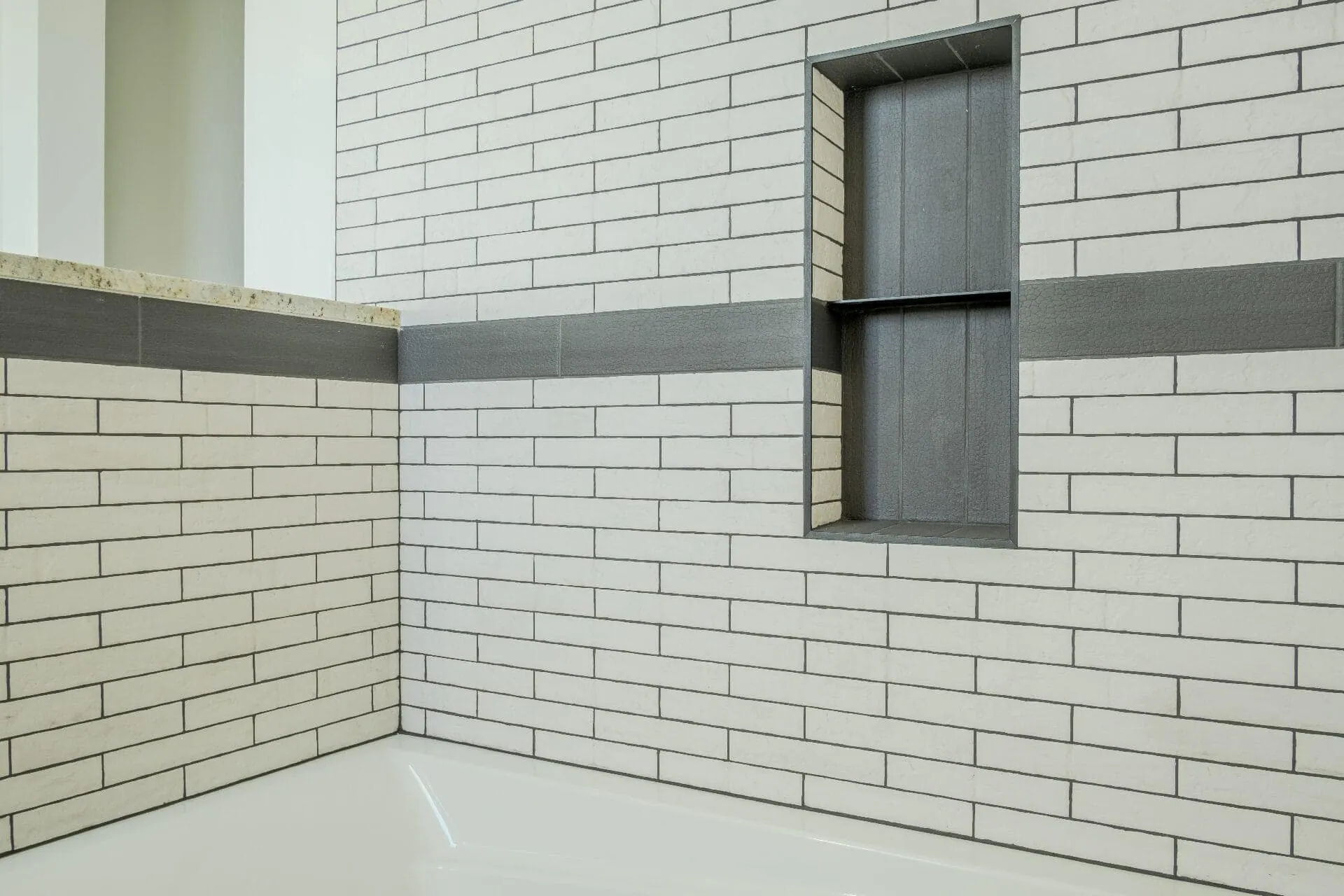
- Darker grout or epoxy grout to hide grime
2. Luxury Vinyl Plank
Warmer underfoot than tile and far cheaper than radiant. SPC-core LVP handles standing snowmelt and salt without swelling. A great fit for second-home mudrooms in Whitefish where guests track in everything.
3. Natural Stone (with Caveats)
Slate and honed travertine look beautiful but need annual sealing in salt country. Reserve for covered entries, not the primary mudroom. See natural stone.
Avoid in Mudrooms
- Solid hardwood — salt and meltwater will destroy the finish
- Polished tile — slip hazard with wet boots
- Light grout — turns gray in one season
Detailing That Matters More Than Material
- A deep boot-mat well at the door
- Heated floors in tile mudrooms (worth every dollar in Whitefish)
- A built-in drip rail or trench drain in ski-heavy households
- Beadboard or tile wainscot 36" up the wall
Plan Your Mudroom
Whether you're building in Whitefish, Columbia Falls, or Kalispell, our team can spec tile, transitions, and underlayment for your installer. We supply the materials — your contractor installs.
Related pages
Mudroom-ready surfaces
Winter-tough Montana towns we serve
Planning resources